How to Find Out Who Is Using Your Photos
Search for your own pictures, keep evidence and report misuse: a practical guide to protecting your photos online.
How to Reverse Image Search on iPhone and Android
Run a reverse image search straight from your phone: upload a photo, use Google Lens on Android, or use Chrome and the Google app on iPhone.

Is Face Search Safe? What Happens to Your Photos
What to ask before you upload a photo to a face search tool, and what checkfaces.ai says about how your photos are handled.

How to Check a Seller's Photos Before You Pay
Fake listings often use copied pictures. Learn how to check a seller's photos and pay in ways that protect you.
Is This Profile Photo Fake? How to Check Before You Trust It
A few minutes of checking can reveal a stolen or AI-generated profile picture. Here is how to test a photo and what warning signs to look for.
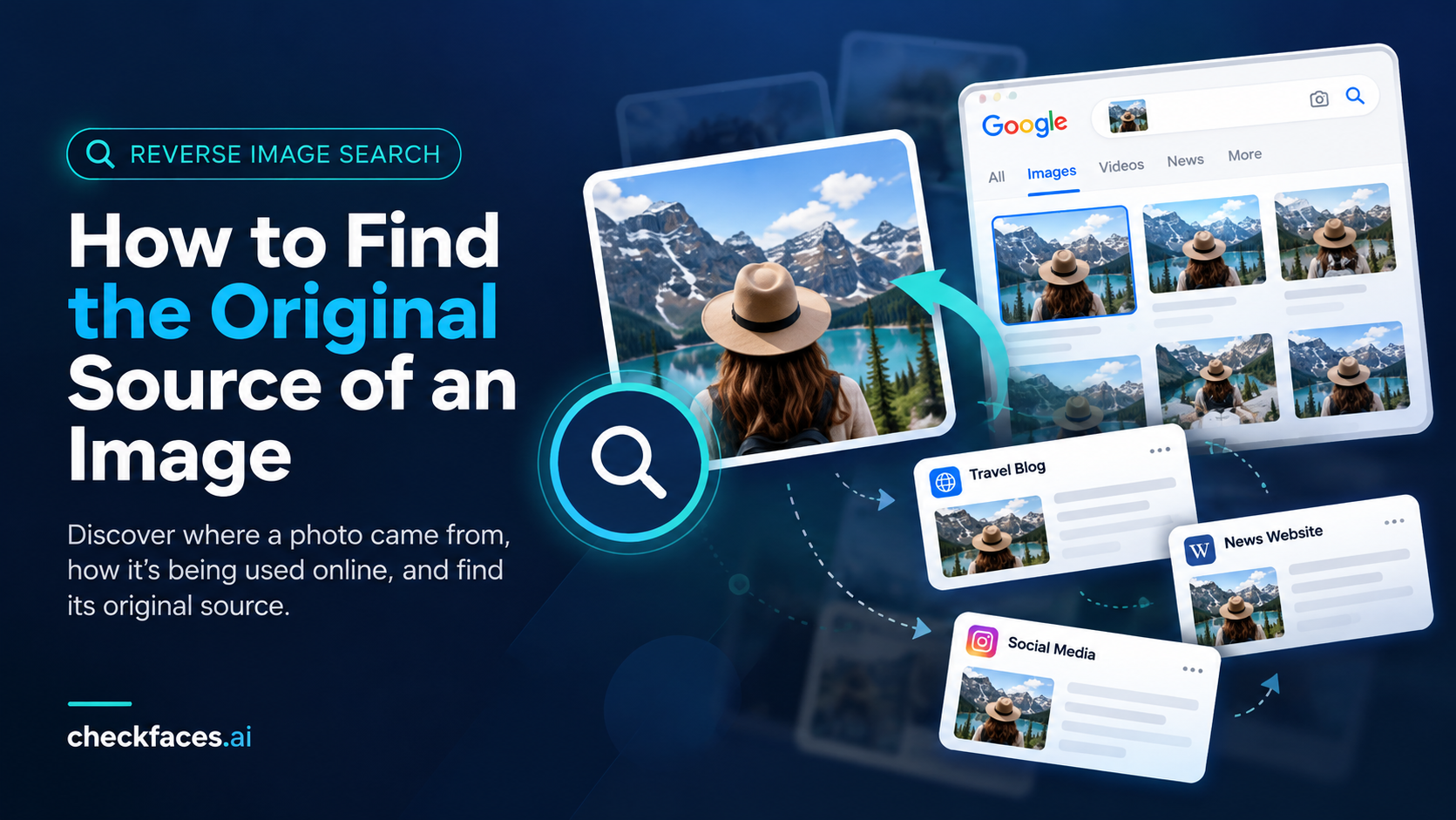
How to Find the Original Source of an Image
Learn how to trace any picture back to its source: which tools to use, how to read the results, and what to do when nothing turns up.

Can You Find Someone on Social Media by Their Photo?
Sometimes, and increasingly often, but not reliably. Since mid-2025, Google has indexed public posts from Instagram's business and creator accounts, which means a reverse image search can now surface a social profile it couldn't have found two years ago.
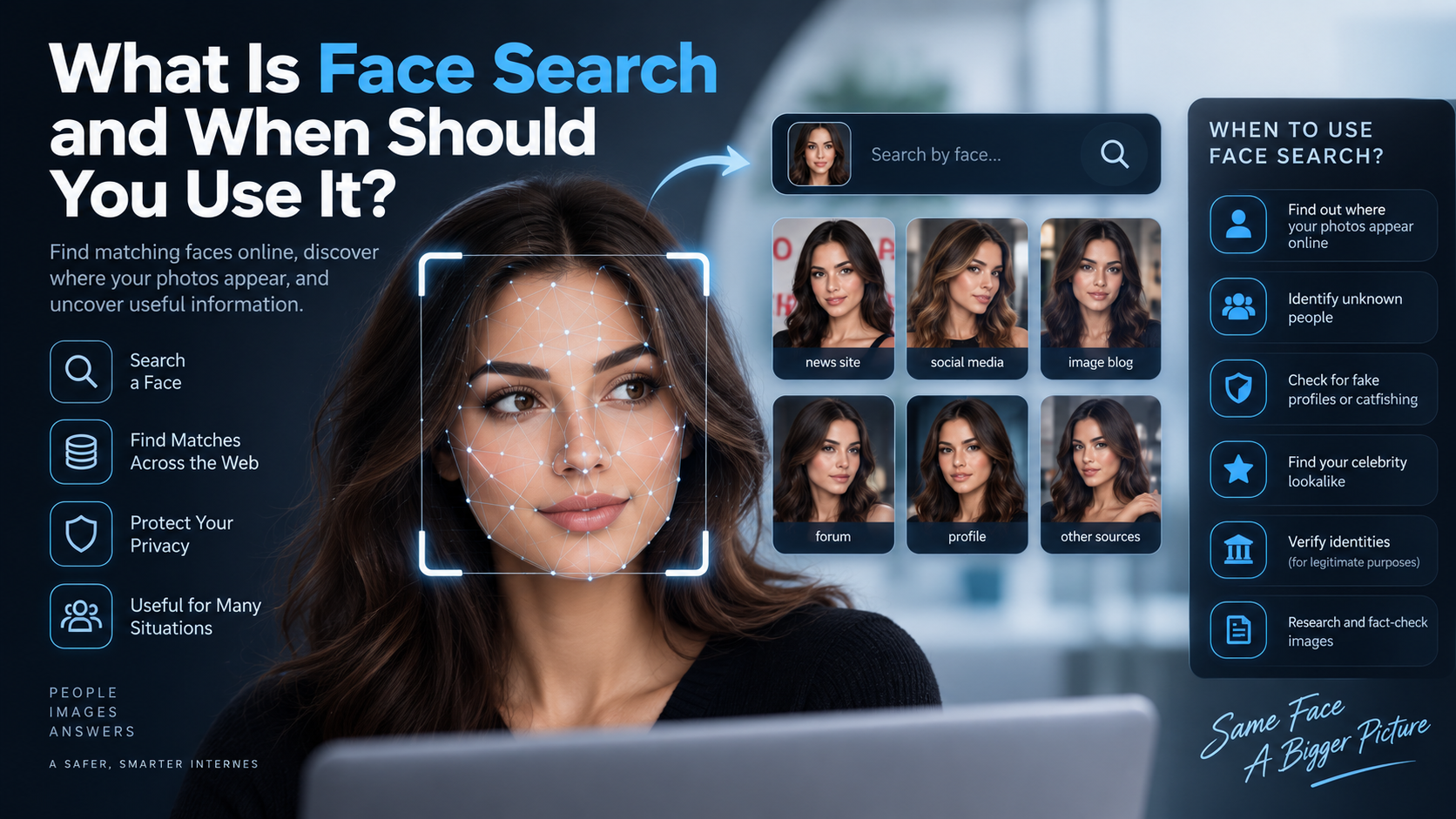
What Is Face Search and When Should You Use It?
Face search is a type of image-matching technology that compares the geometry of a face, not just the pixels of a photo, against other faces to find visual matches. It's a different mechanism than a standard reverse image search, and knowing which one you actually need is usually the difference between a useful result and twenty wasted minutes.
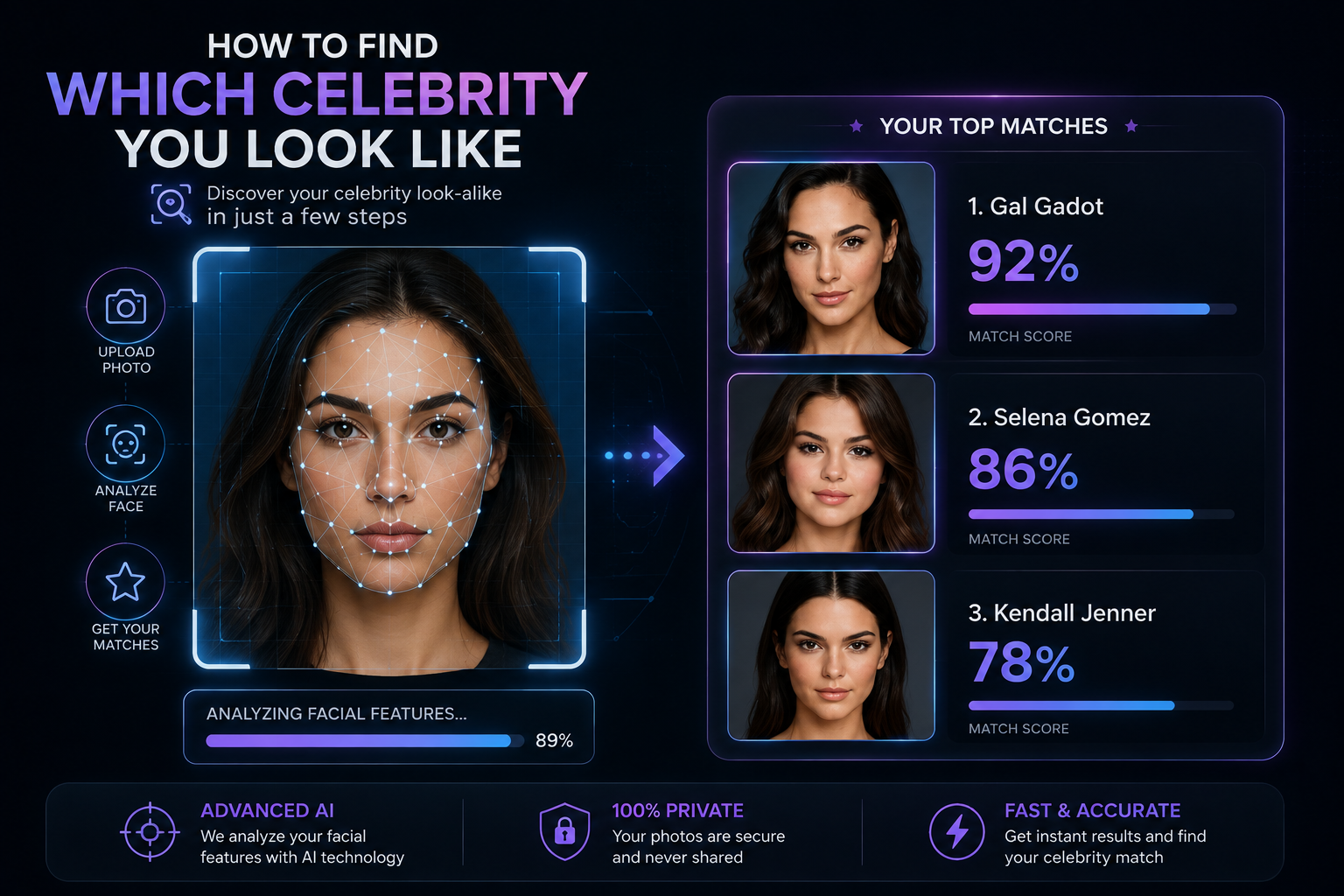
How to Find Which Celebrity You Look Like (Free & Instant)
Someone's told you before. A stranger at a coffee shop, a friend scrolling through old photos, a comment on a post you almost forgot about: "you know who you look like?" Now you actually want an answer, not just a guess. Here's how to get one in under a minute, and how the matching actually works underneath.

How to Remove Your Photos From Image Search Results (2026)
A practical, step-by-step guide to getting your photos out of Google Image search and other search engines, plus how to check whether it actually worked.
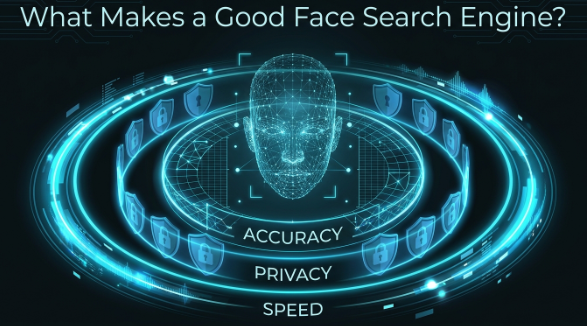
What Makes a Good Face Search Engine? | CheckFaces.ai
Not every tool that lets you upload a photo is a face search engine. A general reverse image search may tell you that two pictures look similar because they share a background, color palette, clothing, or composition
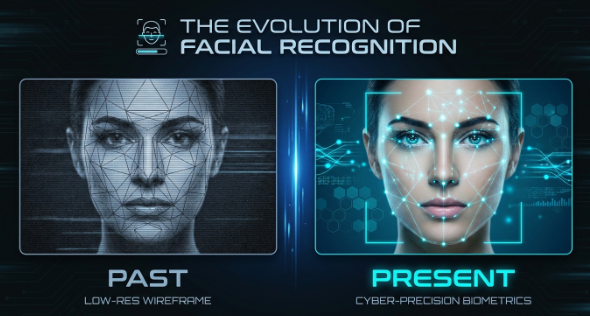
How Facial Recognition Has Improved in the Last 5 Years | CheckFaces.ai
Facial recognition has changed considerably over the past several years. The biggest improvement isn't that computers suddenly became capable of "seeing" faces.